M.A. (Capstone) Project - Seminar
Genres of Folklore
View PresentationApplied Folklore
View Presentation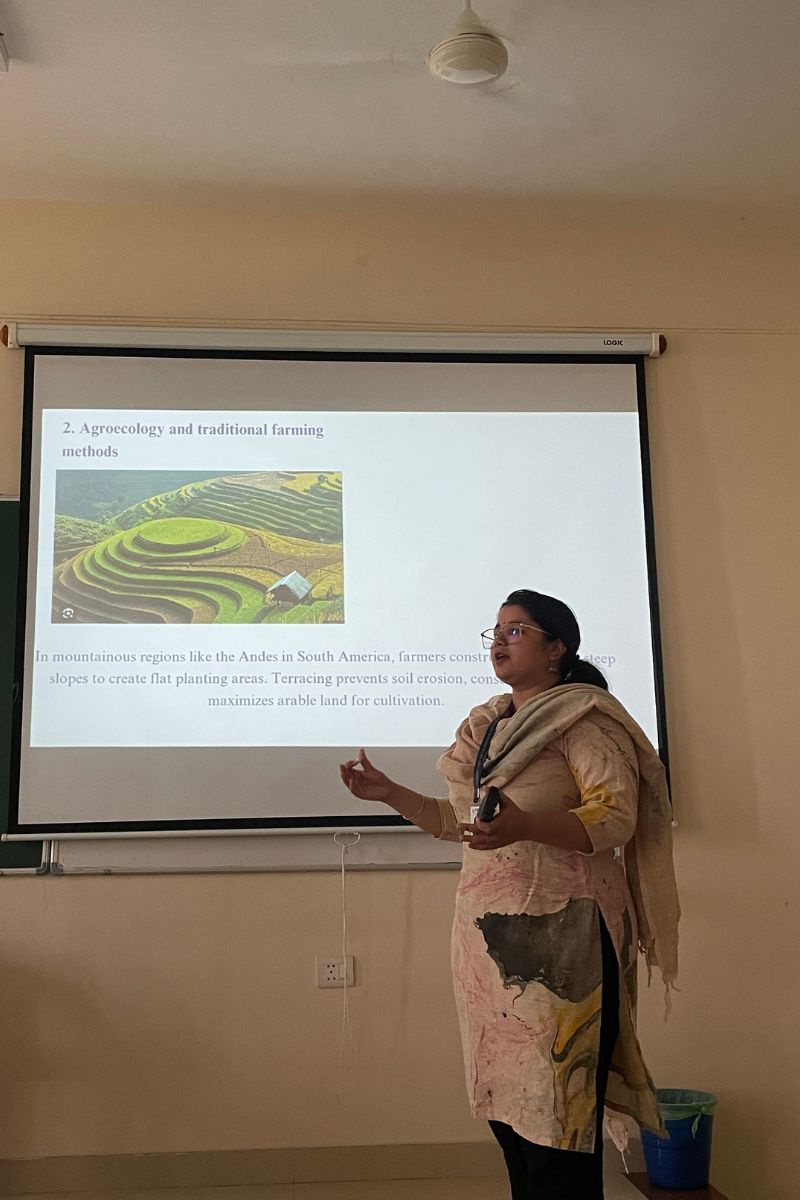
Learning and outcomes of Seminar presentation
The seminars on "Applied Folklore" and "Genres of Folklore" gave an environment for critical thinking and intellectual engagement while also delivering insightful information about the diverse area of folklore studies. These seminars, which were a component of our MA Capstone project, not only broadened our knowledge but also prompted us to consider the practical applications for folklore research.
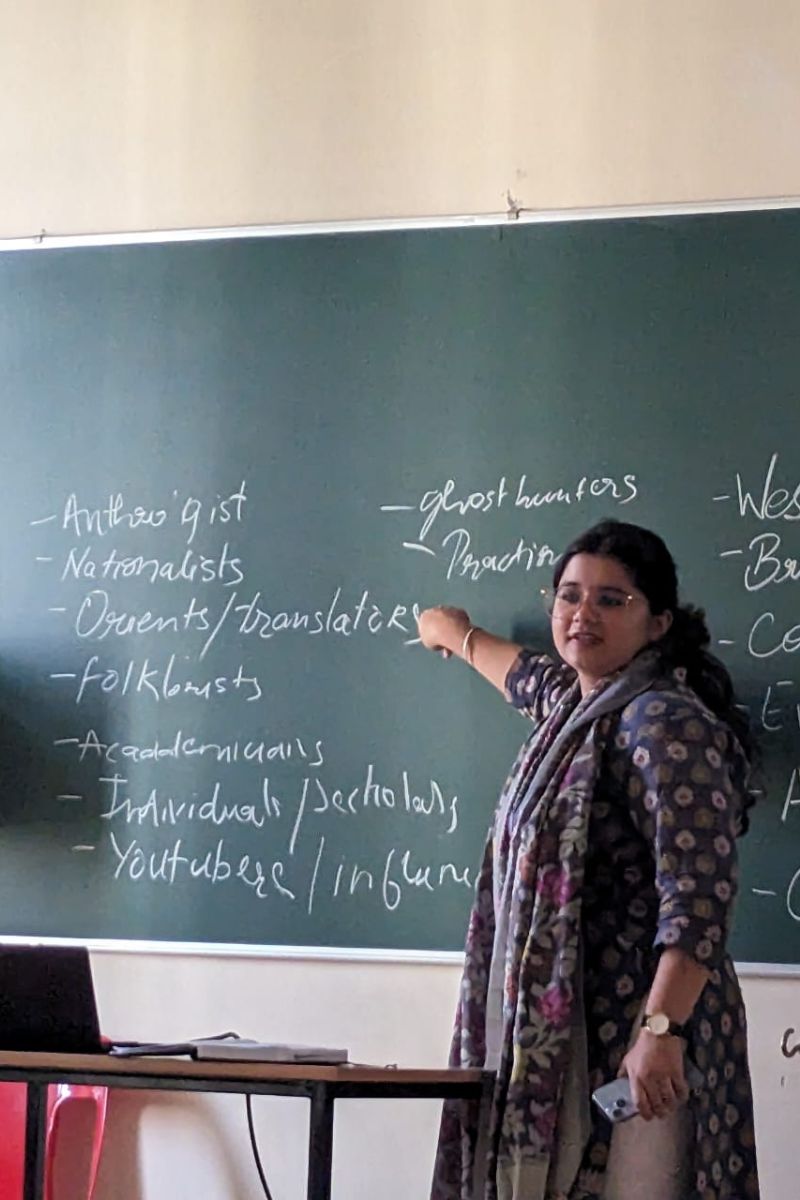
We looked into the classification of folklore genres in the first seminar, challenging the Western notion of categorization and its ramifications. We looked at the works of prominent scholars, including the Grimm Brothers, Vladimir Propp, and Stith Thompson, to gain a better understanding of the ways in which classification has been applied in academic studies, analytical frameworks, comparative studies, and preservation efforts. We also discussed the fluid boundaries between major folklore genres, such as myths, legends, fables, and fairy tales, which emphasised the dynamic nature of folklore narratives.
In our second session, "Applied Folklore," we looked at how folkloric ideas, concepts, and methods might be employed in real-world situations. Three interpretations of applied folklore were explored: using traditional knowledge and wisdom, using it to research and education, and improving the lives of folk communities. By using interdisciplinary methods from the fields of digital humanities, anthropology, environmental studies, social sciences, language and communication, cultural studies, and anthropology, we were able to identify the various ways that folklore can advance modern social, economic, and technological advancements.
These seminar presentations fostered intellectual growth among students by encouraging critical analysis, debate, and reflection. By engaging with scholarly arguments presented by Richard M. Dorson, Botkin, W.F.H. Nicolaisen, and Hufford regarding the moral obligations and ethical considerations of folklorists, we gained insights into the complexities of applying folklore research in practical contexts. Moreover, discussions on the differences between scholars and activists prompted us to reflect on our roles as researchers and our responsibilities to the communities we study.
Overall, the seminar presentations served as catalysts for organic growth among students, stimulating intellectual curiosity, promoting interdisciplinary perspectives, and encouraging ethical engagement with folklore studies. Through these sessions, we not only deepened our understanding of folklore as an academic discipline but also explored its potential to effect positive change in society.